Learn · Life · 8 minute read
Fossils
Almost everything that ever lived left no trace. How the rest got into the rocks, and the girl from Lyme Regis who dug them out.
A fossil is physical evidence of a living thing from long ago. That can be the thing itself, turned to stone: a bone, a tooth, a shell, a leaf. It can also be a trace of what it did: a footprint, a burrow, a bite mark, or a coprolite, which is fossilised dung.
Fossils are rare. When something dies, it is usually eaten, or it rots, or its bones are scattered and worn to dust. To be fossilised it has to be buried quickly, before any of that can happen, and that mostly happens under water. That is why about 99% of the fossils ever found are of animals that lived in the sea.
From body to stone
The most common way for a bone or shell to become a fossil takes thousands to millions of years. Step through it below.
Fossils as clocks
Ammonites were sea animals with coiled shells, relatives of today's squid and octopus. They lived in the oceans for hundreds of millions of years, and new kinds kept appearing while old ones died out. Each kind lasted only a short time, so if you find a particular ammonite, you know which narrow slice of time that layer of rock belongs to. Geologists can use them to tell apart stretches of time shorter than 200,000 years.
The last ammonites died out at the end of the Cretaceous, 66 million years ago, along with the dinosaurs. A study in 2024 found they were still thriving and varied right up to the end, so it was the asteroid, not a long decline, that finished them.
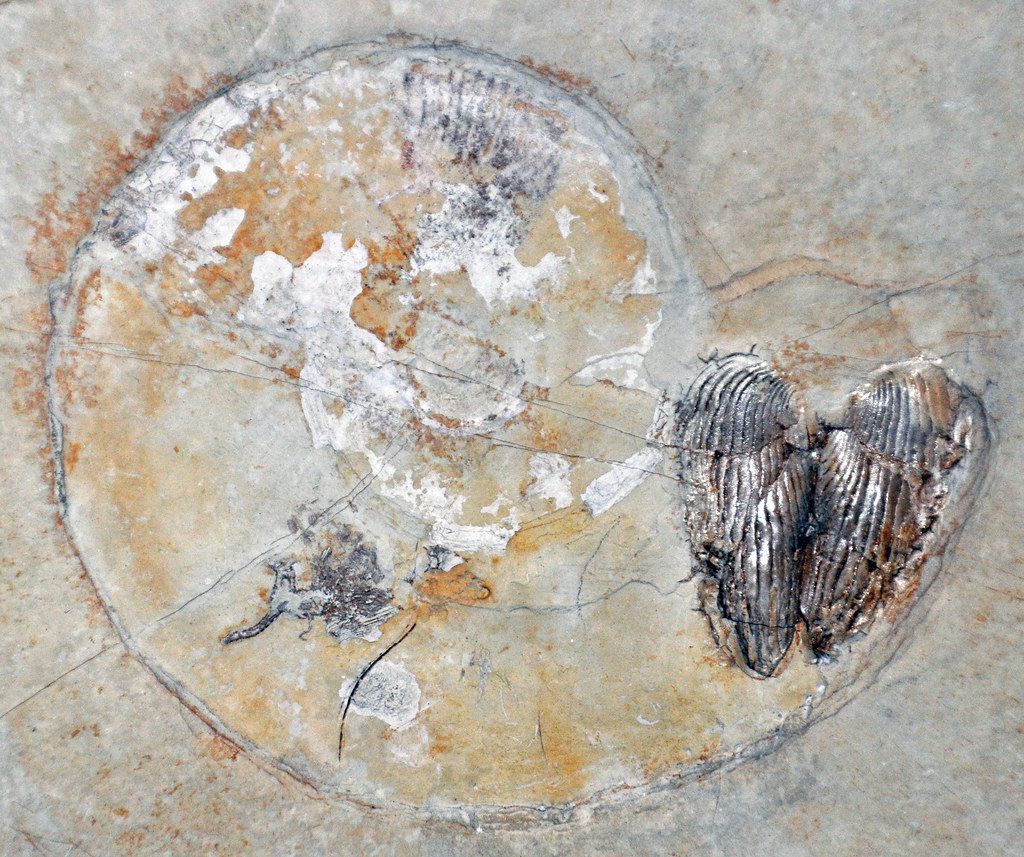
Mary Anning of Lyme Regis
The cliffs either side of Lyme Regis in Dorset are made of Jurassic clays and limestones nearly 200 million years old, and they are always falling into the sea. Every storm brings down new fossils. Mary Anning was born in the town in 1799 and grew up collecting and selling them with her family.
In 1811 her brother Joseph found the skull of a strange sea reptile. The next year Mary, still a child, began digging out the rest of the skeleton. It was later named Ichthyosaurus, the fish lizard. In December 1823 she found the first complete skeleton of a Plesiosaurus, a sea reptile with a tiny head on a very long neck. The French anatomist Georges Cuvier at first suggested it was a fake. In 1828 she found the first pterosaur ever discovered outside Germany. She was also a pioneer in the study of coprolites: fossilised dung.
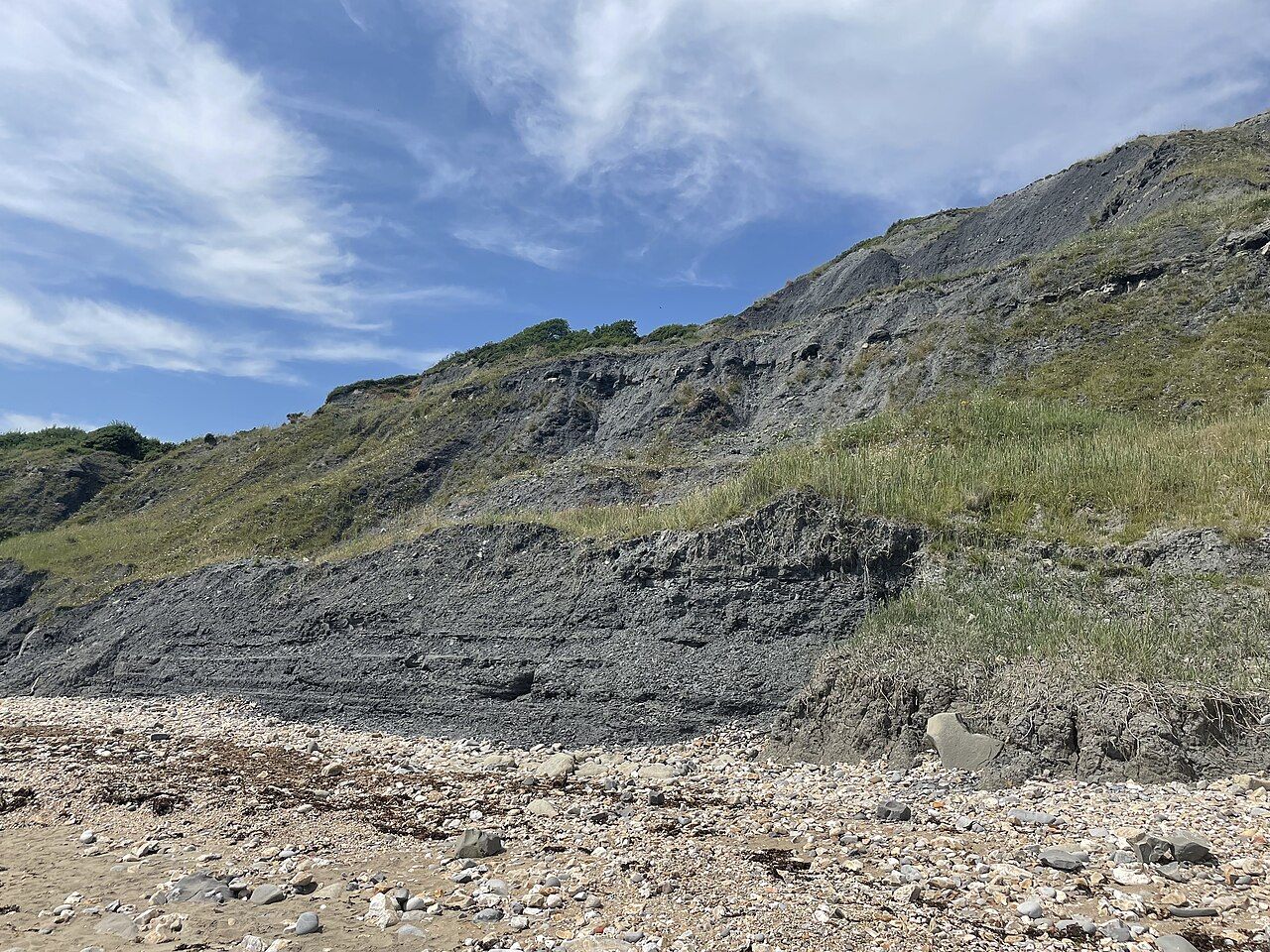
She taught herself geology and anatomy, and she cleaned, prepared and described her own finds. But she was a working-class woman, and the men who bought her fossils often wrote them up without naming her. When the Geological Society of London met to discuss her plesiosaur, she was not invited. The Society did not admit women as members until long after her death.
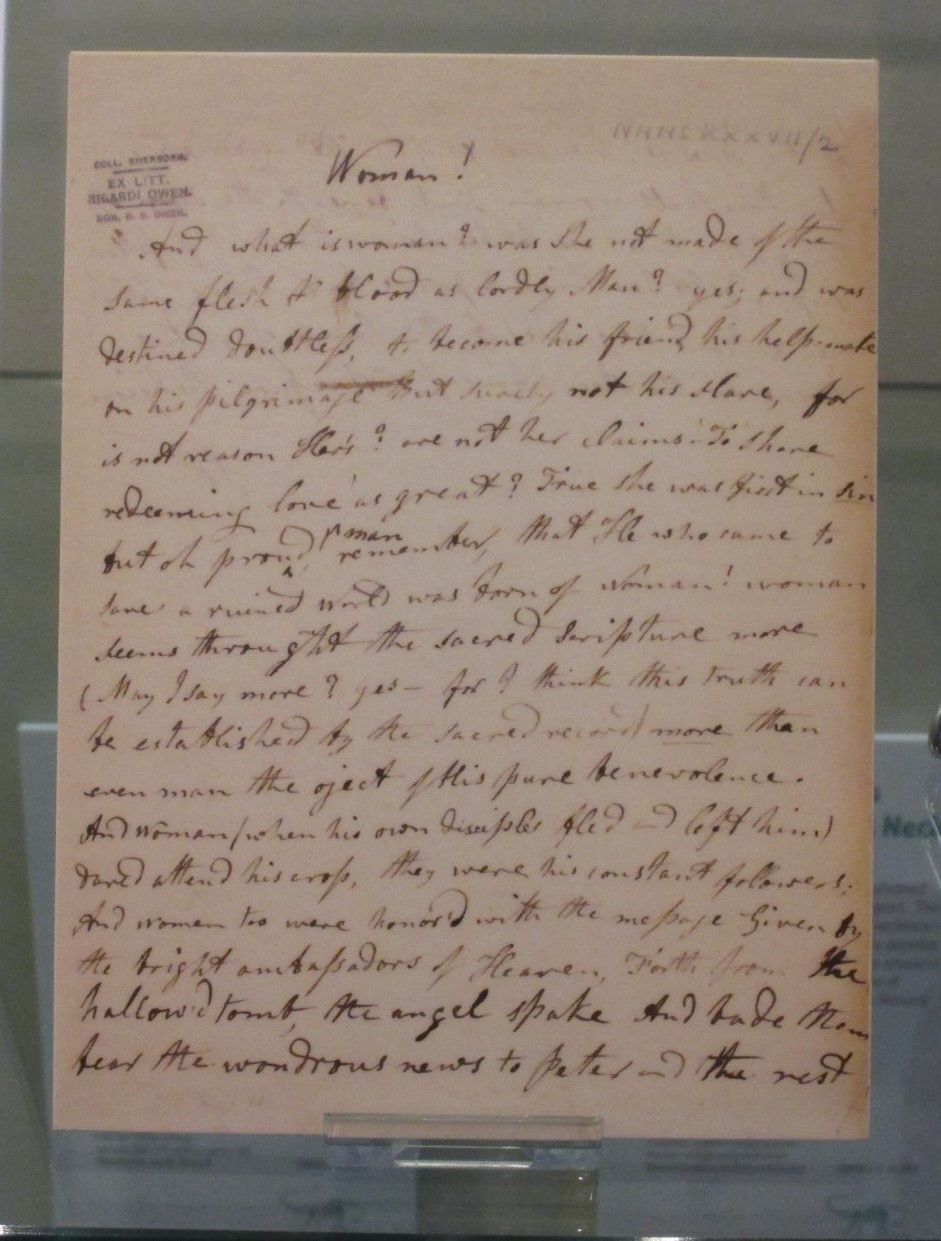
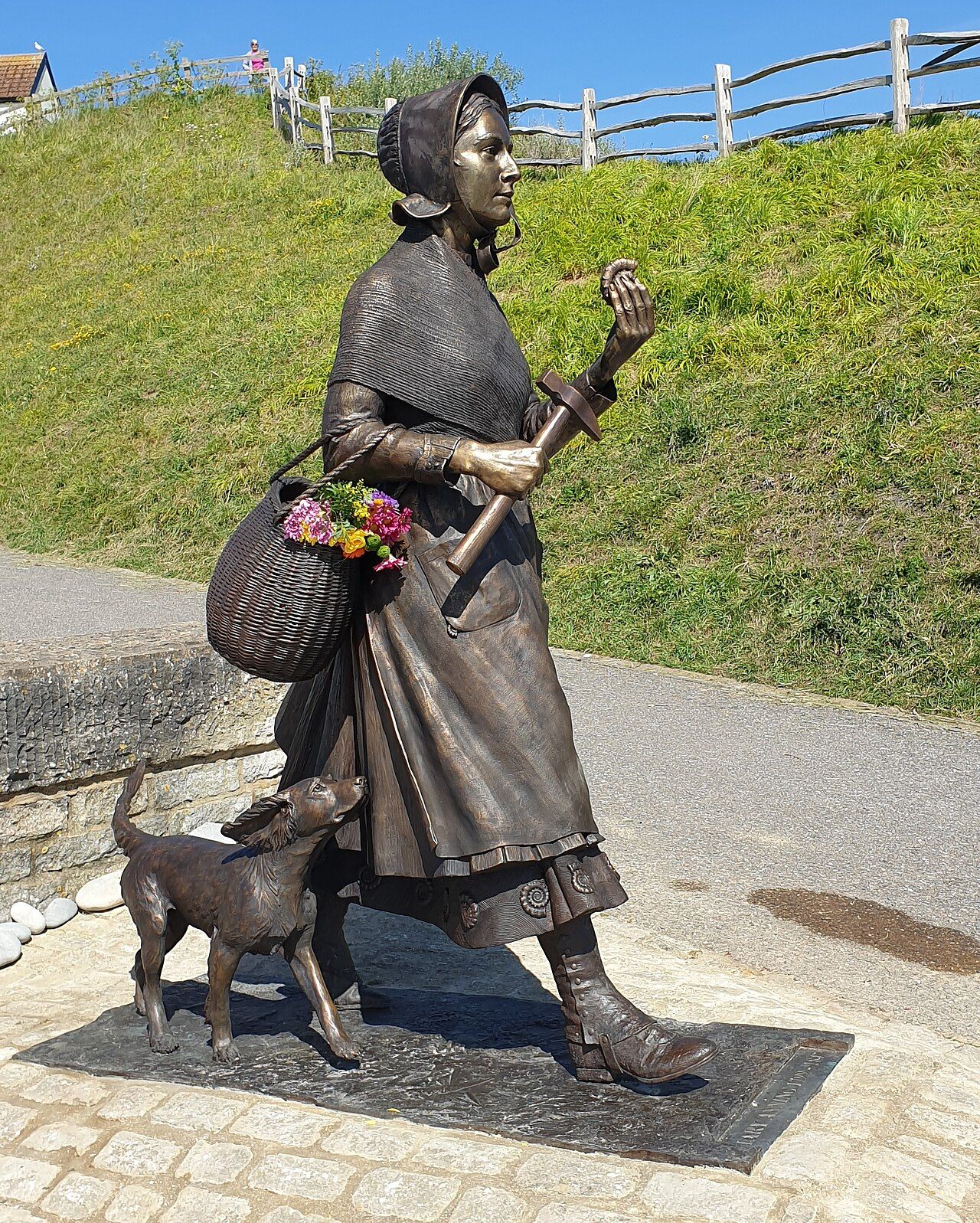
She died in 1847, aged 47. Today she is remembered as one of the most important fossil hunters who ever lived. Her ichthyosaurs and plesiosaurs are in the Natural History Museum in London.